Four questions, in order
1. Is anything electrical involved? A limb on a line, a line pulled off the house, sparks, a tree leaning into wires. If yes, stop here: keep everyone well back and call the electric utility, and 911 if there is fire or injury. The International Society of Arboriculture warns that damaged trees may be in contact with electrical wires “which have the potential to cause injury or death from electrocution.” A tree touching power lines
2. Is anyone at risk right now? People in rooms under a tree that is resting on the roof, a broken limb hanging over a doorway or driveway, a child’s play area under a cracked stem. The ISA notes that trees and limbs resting on roofs or in other trees “may continue to move during and after the storm has passed.” Move people, then decide.
3. Has the building been opened up? A trunk through the roof or a wall lets rain in. That is a reason to get the tree off quickly and the opening covered, and to photograph everything first: the Texas Department of Insurance asks for photos before the tree is moved or repairs are made.
4. Is anyone stuck? A tree across the only driveway, a car pinned, a medical need that requires a way out. These justify a night call.
What usually can wait
A tree that fell across open lawn, a fence knocked down with no animals to contain, branches scattered over the yard, a tree that leans but has not moved since the storm and stands away from people. Keep clear, take pictures, and call in the morning when crews can see what they are doing.
Why not just cut it
Tree parts under tension can spring when cut, and the ISA lists cleanup among the jobs that “should be carried out by a professional arborist.” A night emergency is the worst time to learn that. After a storm: a checklist
Checked against the sources below on 2026-10-11.
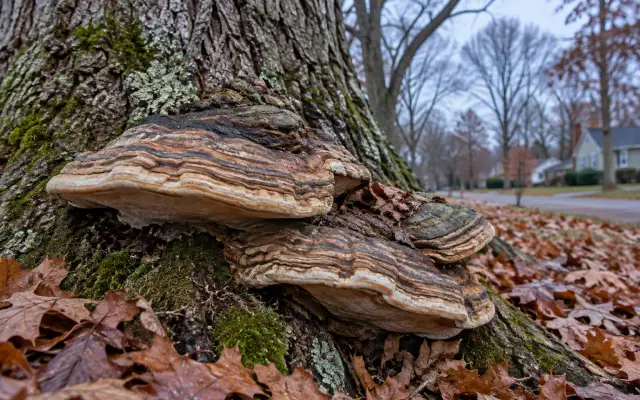 What are the warning signs a tree may fail?