Health
The arborist reads the tree’s recent growth: new buds and leaves, leaf size, twig growth, dieback at the top. The ISA calls a drop in twig growth a fairly reliable sign that a tree’s health has recently changed, and recommends inspecting mature trees at least once a year.
Structure and risk
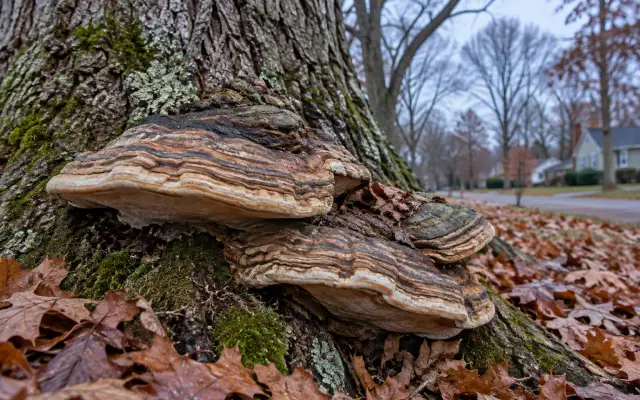
Then the defects: dead wood, cracks, weak forks, decay, root damage, and what lies within reach if part of the tree fails. A risk assessment weighs the likelihood of failure against the target. The outcome is a recommendation: leave it, prune, support or remove. Warning signs
The credential
ISA certification is described by the society itself as a nongovernmental, voluntary process: the holder passed a comprehensive exam and keeps up continuing education. It shows knowledge, not a license to work. The Verify a Credential tool at TreesAreGood.org confirms whether someone holds it. Some states license tree work separately; each state page on this site says what we found. Choosing a crew
When to ask for it in writing
- Florida. Under section 163.045, documentation from an ISA-certified arborist or a Florida-licensed landscape architect that a tree poses an unacceptable risk, following the ISA’s risk assessment procedure, means a city or county cannot require a permit, fee or replanting to remove it from a single-family lot.
- Insurance and neighbors. A dated written finding that a tree was dead or dangerous can matter later, if it falls. Trees on the property line
Checked against the sources below on 2026-10-11.
 What are the warning signs a tree may fail?